

The Shadow Government Conspiracy Explained: The History of the Theory, Claims, and the Ongoing Controversy.
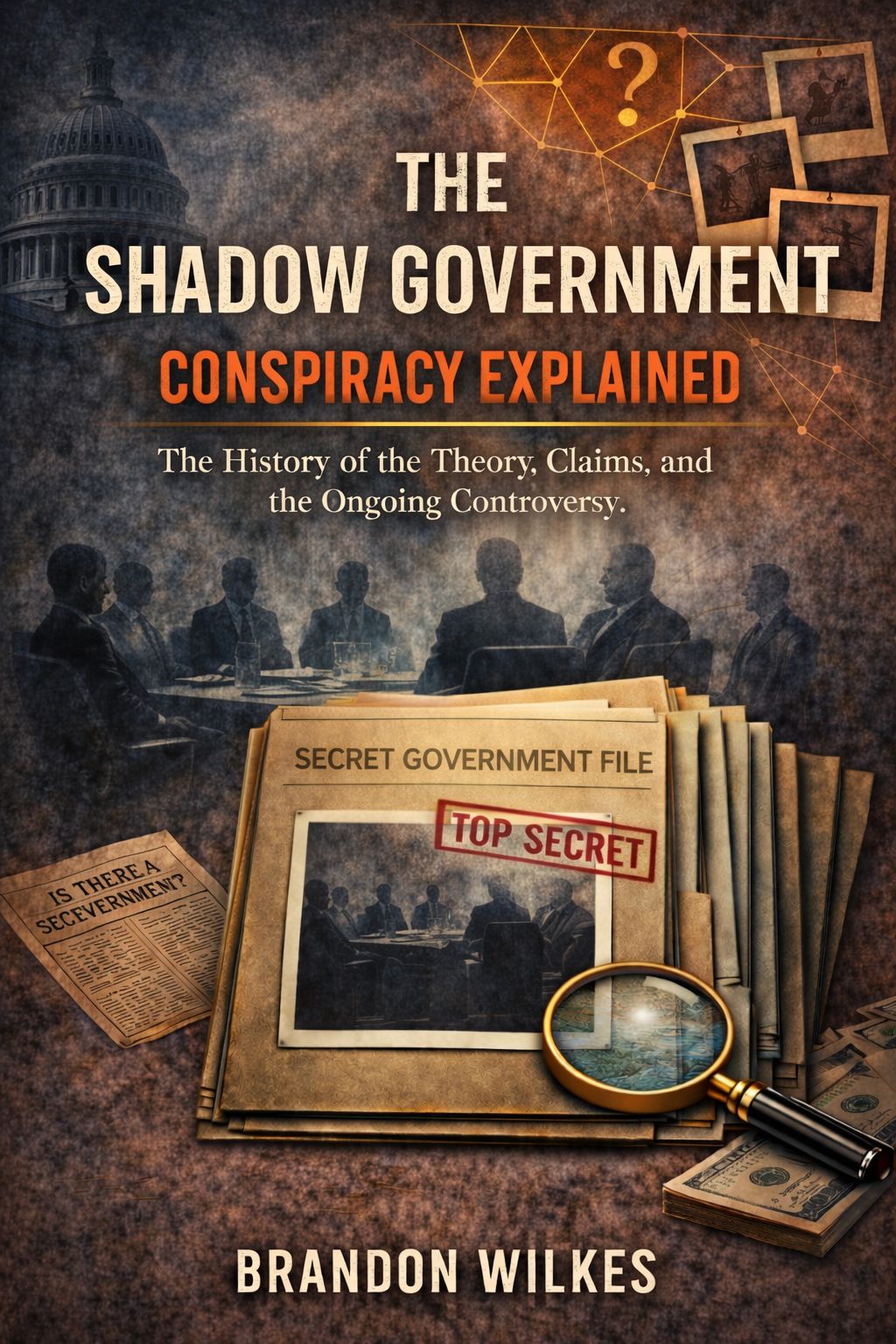
The concept of the shadow government is a compelling subject that has captivated the attention of scholars, analysts, and conspiracy theorists alike. Defined as a clandestine network operating behind the facade of legitimate political institutions, the shadow government has emerged as a cornerstone of modern conspiracy theories. Understanding what is shadow government requires an exploration of its historical context, the entities involved, and the implications it has on democratic governance. This phenomenon not only raises questions about transparency and accountability but also challenges the very nature of power and authority in contemporary society.
The shadow government conspiracy is often perceived as a powerful cabal manipulating events from behind the scenes. This narrative has roots in various historical contexts, where individuals and factions have exerted influence outside the public eye. From elite circles in Washington, D.C. to international organizations, the shadow government has been implicated in numerous significant events, leading to widespread speculation. The history of shadow government reveals a complex web of political maneuvering, where decisions made away from the public spotlight can have far-reaching consequences, shaping the socio-political landscape.
Examining the shadow government shadow government conspiracy theory presents an intricate puzzle. While many dismiss these theories as mere paranoia, others argue that they reflect genuine concerns about the integrity of democratic institutions. The rise of digital communication has amplified these theories, allowing for rapid dissemination of information and speculation. As individuals seek to connect the dots between seemingly unrelated events, the shadow government narrative provides a framework that resonates with those questioning the status quo. It allows for a critical examination of power dynamics and the often-blurred lines between truth and fiction.
The history of shadow government is rich with examples that illustrate its influence across different epochs. Historically, figures such as advisors and lobbyists have played pivotal roles in shaping policy, often without public scrutiny. The emergence of secretive organizations and think tanks has further complicated the picture, as they often operate outside conventional political processes. Delving into shadow government historical events can reveal patterns of behavior that suggest a continuity of influence over time. This perspective not only enriches the understanding of current political realities but also contextualizes the ongoing debates about governance.
In contemporary discourse, the shadow government conspiracy theory serves as a metaphor for societal anxieties regarding power and control. The perception that unseen forces guide political outcomes fosters a climate of distrust, prompting citizens to question the motives of their leaders. This skepticism can be both beneficial and detrimental; while it encourages vigilance and accountability, it can also lead to divisive narratives that undermine collective action. As theories about shadow government circulate, it becomes essential to differentiate between legitimate concerns and unfounded claims, fostering a more nuanced dialogue about authority and its limits.
Ultimately, the exploration of shadow government and its associated conspiracy theories provides an essential framework for understanding the dynamics of power in modern society. By critically engaging with these narratives, one can unravel the complexities of governance and the often invisible structures that support it. The conversation about shadow government is not merely an academic exercise; it reflects broader cultural anxieties and the struggle for transparency in an era where information is both abundant and easily manipulated. This ongoing dialogue underscores the importance of vigilance in the face of unseen influences that may shape the future of democratic governance.