

The Trump Assassination Attempts Conspiracy Explained: The History of the Theory, Claims, and the Ongoing Controversy.
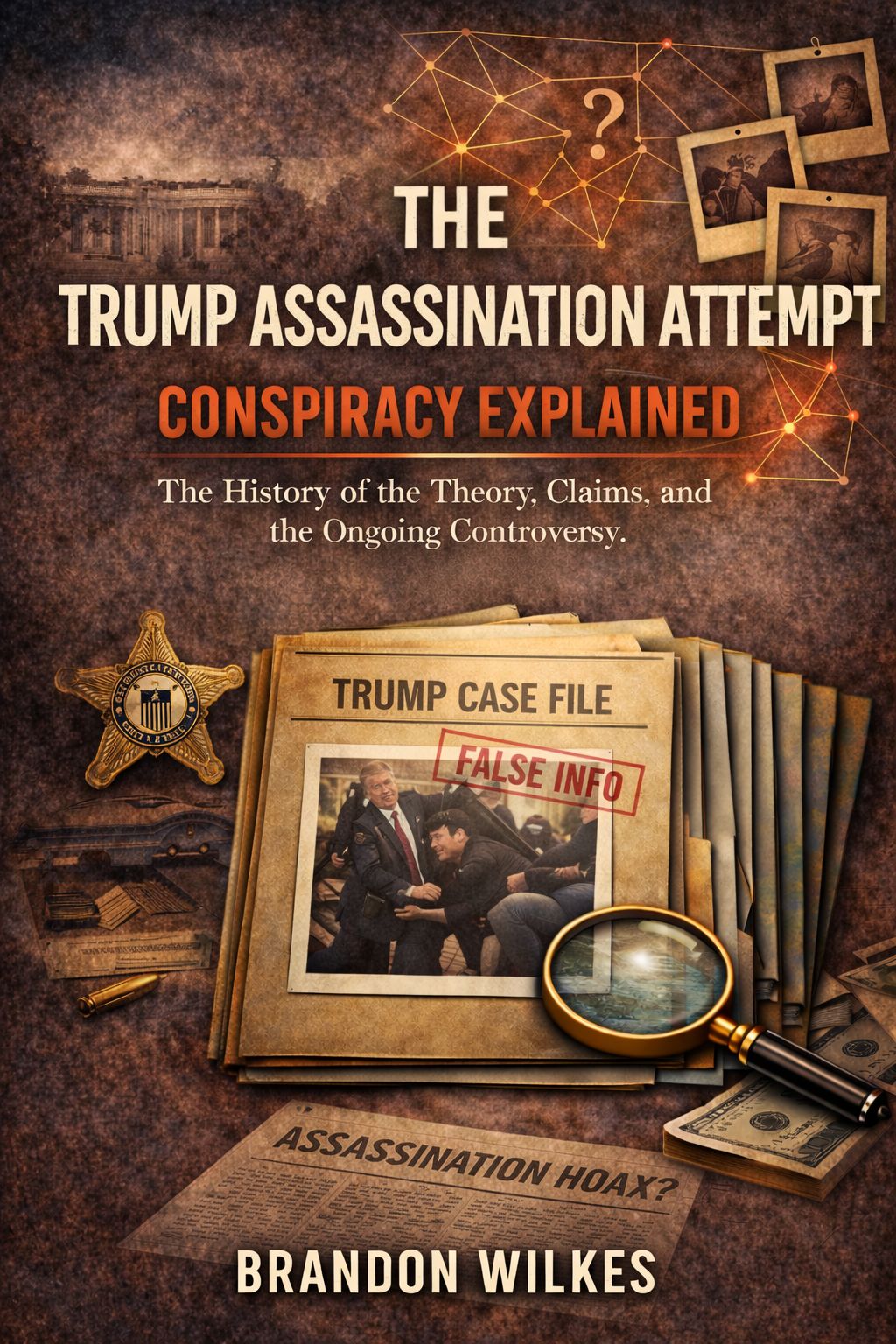
The topic of Trump assassination attempts has captivated the public imagination, intertwining historical fact with the myriad conspiracy theories surrounding it. As a sitting president, Donald Trump has faced threats that are both tangible and speculative, leading to a complex narrative that explores the nature of political violence in the modern age. Understanding Trump assassination attempts requires an examination of not only the events themselves but also the social dynamics that give rise to such conspiracies. The history of Trump assassination attempts is rooted in the broader context of American political discourse and the increasingly polarized climate over recent years.
The historical landscape of Trump assassination attempts is not merely a chronicle of violent plots but a reflection of societal tensions. Each incident, whether thwarted or executed, sheds light on the motivations behind political violence and the collective psyche of the American populace. Trump's presidency has sparked a range of reactions, from fervent support to vehement opposition, culminating in conspiratorial narratives that attempt to rationalize the extreme responses to his administration. This intersection of history and current events makes the study of Trump assassination attempts both timely and essential for understanding contemporary political discourse.
Conspiracy theories surrounding Trump assassination attempts have proliferated, offering a lens through which to analyze public perception and media narratives. These theories often blend fact with fiction, creating an environment where speculation thrives. The allure of the Trump assassination attempts conspiracy theory lies in its ability to capture attention and provoke debate, prompting individuals to question the motives behind such attempts. The fascination with these narratives also reveals deeper issues regarding trust in political institutions and the media's role in shaping public opinion. This complex interplay highlights the significance of examining Trump assassination attempts as a phenomenon rooted in both reality and speculation.
What constitutes a Trump assassination attempt? This question invites critical analysis of the events that have transpired during his presidency. From credible threats to bizarre plots fueled by misinformation, the range of assassination attempts varies dramatically. Understanding what is classified as a Trump assassination attempt helps delineate between genuine threats and those concocted from conspiracy. By exploring the historical context of each incident, a clearer picture emerges of how these attempts reflect broader societal issues, including the radicalization of individuals and groups who feel disenfranchised by the political system.
The societal impact of Trump assassination attempts cannot be overstated. Each incident reverberates throughout the political landscape, influencing public opinion and altering the national conversation. The implications extend beyond the immediate threat to safety, affecting campaign strategies, security protocols, and even the legislative agenda. Analyzing the consequences of these assassination attempts provides valuable insights into how fear and uncertainty shape political behavior. The historical significance of Trump assassination attempts is not limited to the events themselves; it encompasses the broader implications for democracy and civil discourse in the United States.
In summary, the study of Trump assassination attempts serves as a critical exploration of a unique intersection between political history and modern conspiracy theories. As tensions continue to rise within the political arena, understanding the motivations and dynamics behind these assassination attempts becomes increasingly essential. By critically examining both the historical context and the conspiracy theories that surround Trump assassination attempts, one can gain a deeper appreciation for the complexities of contemporary political life. This examination not only informs the public about the realities of political violence but also invites reflection on the narratives that shape the collective understanding of such events.